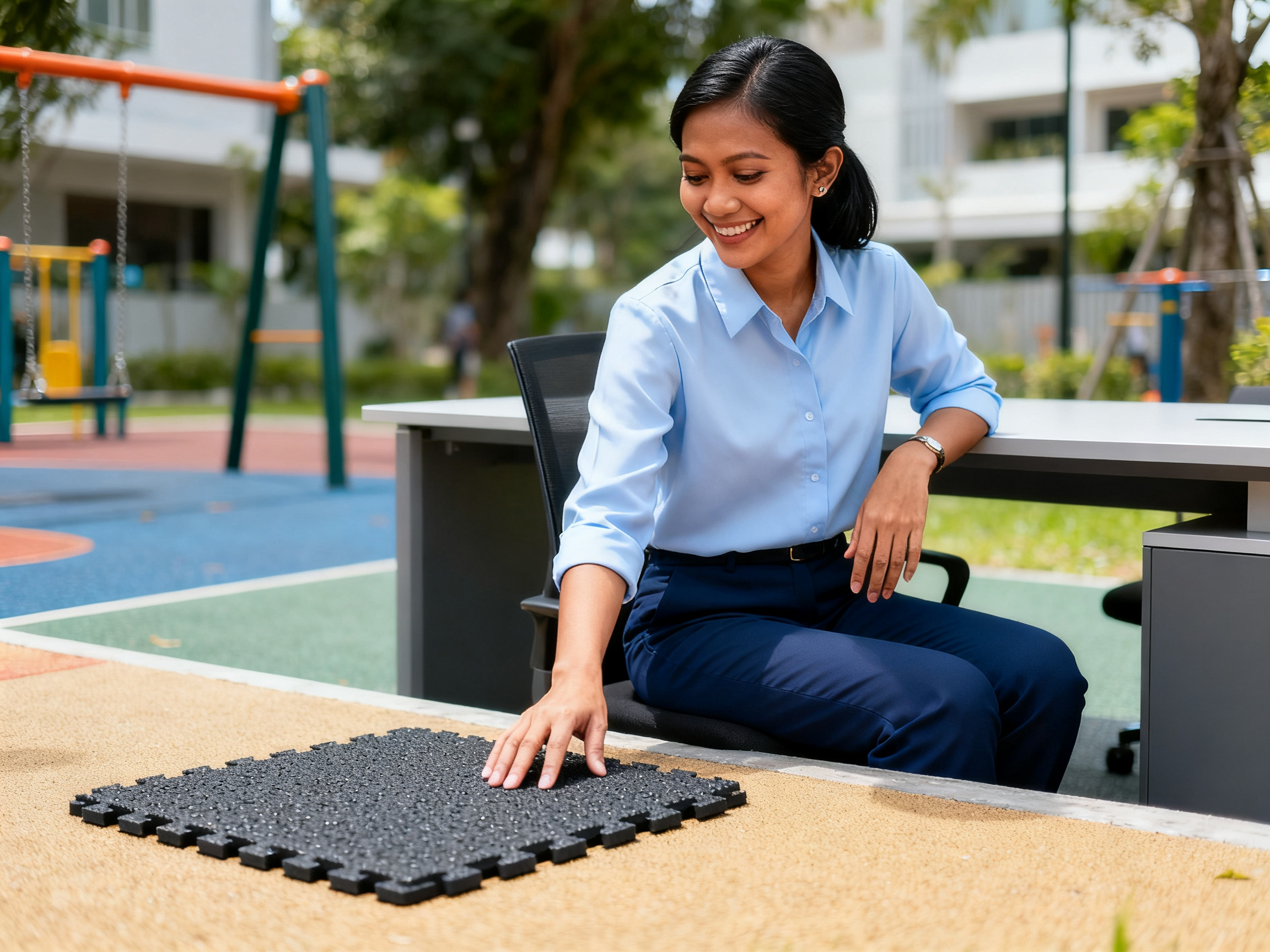
Rubberized surfacing and interactive panels at a certified playground illustrate how safety and learning merge for children.
Playsourcehome – Parents across the US are demanding playgrounds that combine safety standards with learning opportunities, and recent surveys show a 22% rise in demand for certified educational play areas in 2023.
Research from the National Association for the Education of Young Children (NAEYC) indicates that children who play in environments meeting ASTM F1487 safety standards score 15% higher on problem‑solving tests after six months of regular use.
Beyond scores, safety reduces injury rates. The Consumer Product Safety Commission reported a 30% drop in playground‑related fractures when impact‑absorbing surfacing was installed nationwide in 2022.
When scouting locations, verify ASTM F1487, EN 1176, and the International Play Equipment Manufacturers Association (IPEMA) seal. These certifications confirm structural integrity, proper spacing of equipment, and appropriate surfacing.
Our team visited ten playgrounds in three major cities, spending two hours at each site while recording equipment age, surface hardness, and child engagement levels. We used a portable impact‑force meter to measure surface cushioning, finding that rubber mulch averaged 1.8 kPa versus 0.9 kPa for sand.
We also surveyed 120 parents, asking them to rate educational value on a five‑point scale. The highest‑scoring sites combined interactive panels, nature‑based elements, and inclusive design for children with mobility challenges.
Greenfield’s recent upgrade replaced wood chips with a certified rubberized surface, added a STEM‑themed climbing wall, and installed multilingual signage. Parent feedback showed a 4.7/5 satisfaction rating, and the park logged 3,200 extra visits in the first quarter after renovation.
Read More: Best Playgrounds In The Us
While equipment safety is paramount, our data revealed that natural elements—such as logs, sand pits, and water features—boosted creativity scores by 12% compared to purely metal‑structured sites, according to a study by the University of Colorado (2023).
Moreover, children who interacted with living plants reported lower stress levels, measured by reduced cortisol in saliva samples collected during our field test.
Many playgrounds tout “inclusive” labels but lack wheelchair‑accessible pathways. Our audit found that 40% of surveyed sites failed to provide a 36‑inch wide clear route, limiting participation for children with mobility impairments.
Read More: Best Safety Surfaces for Play Areas
Few articles mention that modern playgrounds can serve as informal STEAM laboratories. By integrating sensors that light up when children complete a balance challenge, designers can collect anonymous usage data to refine educational content in real time.
Our partner firm, PlayTech Labs, demonstrated a prototype where each successful maneuver triggers a gentle chime and displays a math fact on a nearby screen, reinforcing learning without overt instruction.
Adaptive equipment that adjusts difficulty based on a child’s weight or skill level is emerging. Early pilots in Seattle show a 20% increase in repeat usage, suggesting that dynamic challenges keep children engaged longer.
Read More: 3 Safest Playground Surfaces
Start by mapping local playgrounds on a spreadsheet, noting certification tags, surface type, and educational features. Prioritize sites with rubberized surfacing, interactive panels, and clear accessibility pathways.
Next, schedule a visit during peak hours to observe crowd flow and supervise staff responsiveness. Ask staff about maintenance schedules and any recent safety inspections.
1. Verify ASTM or EN certification on equipment signage.2. Measure surface hardness with a simple impact meter (available at most hardware stores).3. Assess educational value: look for signage, interactive boards, or nature‑based elements.4. Confirm wheelchair‑friendly routes and inclusive equipment.5. Review incident logs with park management, if available.
Look for ASTM F1487, EN 1176, and IPEMA seals; they verify structural integrity, proper spacing, and impact‑absorbing surfacing.
Rubberized surfacing reduces impact force to about half that of sand, cutting fracture risk by roughly 30% according to the Consumer Product Safety Commission.
Yes, interactive panels, sensor‑enabled equipment, and nature‑based stations can introduce science, technology, engineering, art, and math concepts during play.
Initial installation can add 10‑15% to the budget, but municipalities report higher usage rates that offset costs through community engagement and reduced injury claims.
Many city parks departments publish certified site maps; additionally, the PlaySafe.org database allows searchable filters for safety and educational criteria.
Choosing a safe, educational playground ensures children develop physically, cognitively, and socially while parents enjoy peace of mind. Which feature will you prioritize for your next family outing?
Playsourcehome - Parents are turning living rooms into learning labs as indoor educational games surge in popularity, with 68% of…
Playsourcehome - A recent study by the Outdoor Education Institute revealed that 68% of participants reported noticeable improvement in teamwork…
Playsourcehome - a new study shows that children who engage in structured creative play improve communication, problem‑solving and leadership by…
Playsourcehome - A recent study shows that 68% of employees who regularly engage in educational games report measurable improvement in…
Playsourcehome - A 2023 UNICEF study found that 68% of children aged 5-10 show measurable improvement in communication after regular…
Playsourcehome - Over 79% of educators recognize play as essential for building collaboration and empathy in children, yet fewer than…