PlaySourceHome – Parents and caregivers increasingly prioritize toy quality and durability to ensure children play safely while products last through everyday use.
Many families now see toy quality and durability as investments rather than simple impulse buys. Strong, well-made toys tend to be safer, break less often, and support healthier play habits. Poorly built toys can chip, crack, or shed small parts, raising choking and injury risks. They also waste money when they fail after only a few play sessions.
High-quality toys usually use better materials, more precise manufacturing, and stricter testing. As a result, they withstand drops, pulling, and rough handling typical of children. Caregivers benefit from fewer replacements, while children enjoy consistent play experiences. In addition, good build quality often means smoother edges, reliable seams, and finishes that do not peel.
Beyond safety and lifespan, durable toys also support sustainable consumption. When a toy lasts long enough to be handed down or donated, it creates less waste. Families can rotate toys among siblings or friends, reducing clutter and making playtime more meaningful.
A key step in evaluating toy quality and durability is examining the materials and how each component connects. For plastic toys, look for thick, rigid plastic with minimal flex in key structural areas. Excessively thin plastic can crack along stress points. Inspect the toy under good light and check for uneven color, rough edges, or visible seams that might split.
For wooden toys, confirm the surface feels smooth, with no splinters or rough grains. Edges should be rounded, not sharp. High-quality wooden toys generally use solid wood or dense engineered wood, not brittle particleboard. Paint and varnish should appear even, without strong chemical odors, bubbles, or flaking.
For fabric and plush toys, check stitching lines carefully. Tug lightly at seams to see whether threads separate. Quality stitching runs in straight lines, with closely spaced, even stitches. Fabric should feel sturdy, not thin or easily torn. Squeeze the filling to ensure it bounces back and does not clump in one area.
Joints and moving parts deserve special attention. Wiggle wheels, hinges, and arms to see how firmly they attach. Loose joints that rattle or show gaps might fail quickly. When possible, compare similar toys side by side; the heavier, more solid piece often indicates stronger construction.
While visual checks are helpful, recognized safety standards offer additional assurance about toy quality and durability. Look for labels that indicate compliance with regulations such as ASTM F963 in the United States or EN 71 in Europe. These standards cover mechanical strength, flammability, and chemical safety.
Certified toys typically undergo testing that simulates real-world use and abuse. This includes drop tests, tension tests, and bite tests for younger age groups. While labels do not guarantee a toy will never fail, they signal that the manufacturer followed established safety procedures.
In addition, examine warning labels and age recommendations. Clear, accurate warnings reflect a responsible brand. If a toy includes small parts, the packaging should show obvious choking hazard symbols. Avoid products with vague, poorly translated text or missing manufacturer contact information.
Read More: Official safety guidance on choosing safe toys
Hands-on inspection remains one of the most reliable ways to judge toy quality and durability before buying. Pick up the toy and feel its weight. While heavier does not always mean better, extremely light toys sometimes signal fragile materials or hollow construction where stability matters.
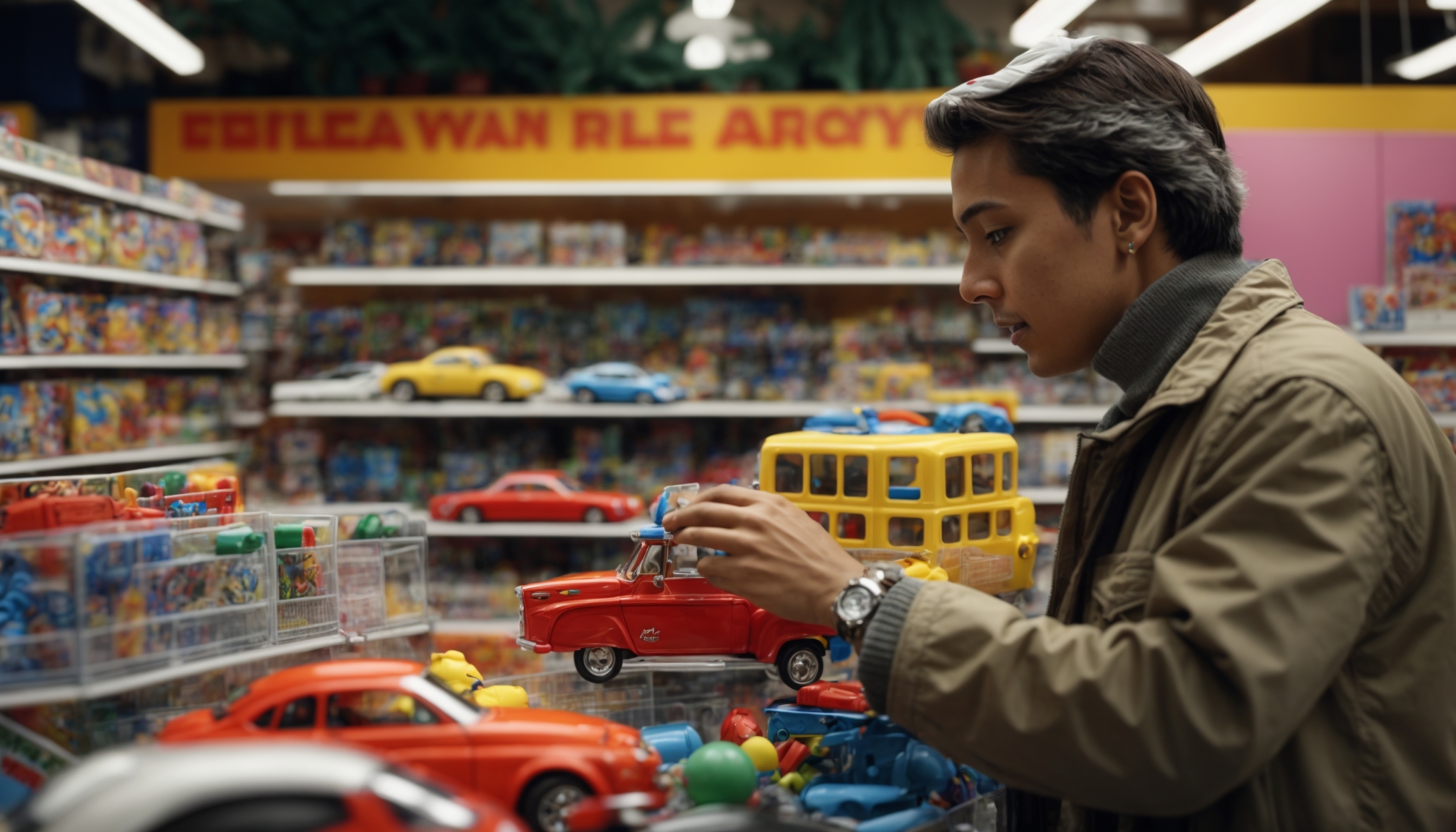
Test the toy’s main functions gently but firmly. If it is a car, roll it on a hard surface and observe how wheels track. For building sets, connect and disconnect pieces to see whether joints feel secure. If it makes sounds, press buttons several times to test consistency.
Look for tightly fitted parts, such as wheels that do not wobble and joints that move smoothly without grinding noises. Handle any removable pieces, like lids or accessories, and ensure they attach with clear, firm mechanisms rather than loose friction alone. When something already feels unstable in the store, it usually performs worse at home.
Finally, inspect packaging design and printing quality. While not a direct measure of strength, professional packaging often reflects a brand that invests in overall product quality.
When shopping online, you cannot physically handle products, so reviews and brand reputation carry more weight. Search specifically for comments about toy quality and durability, not just appearance. Pay attention to patterns in feedback, such as multiple reviewers reporting broken parts after a short time.
Filter reviews by most recent to see whether the manufacturer improved or worsened materials in newer batches. Photos submitted by buyers can reveal cracks, frayed seams, or paint wear that do not appear in official images. However, consider the overall ratio of positive to negative experiences, not one or two extreme cases.
Established brands that specialize in children’s products usually maintain stricter quality control. That said, smaller brands can also offer excellent quality, especially when they highlight certifications and transparent manufacturing details. Check whether brands provide clear care instructions and customer support channels.
Some retailers display question-and-answer sections where other customers share long-term experiences. Use these insights to judge whether toys survive months of play, not just the first week.
Expectations for toy quality and durability change depending on target age groups. Toys designed for infants and toddlers must withstand chewing, throwing, and frequent cleaning. For these products, prioritize thick materials, strong seams, and simple shapes without detachable small parts. Avoid anything that relies on delicate mechanisms.
For preschoolers and early school-age children, moving parts, wheels, and interactive features become more common. Here, focus on reliable hinges, sturdy axles, and pieces that stay connected during typical play. As children explore physical strength and coordination, toys need to endure drops and rough handling.
Older children and preteens often use more complex sets, such as construction kits or electronic gadgets. In these categories, toy quality and durability include not only outer shells but also internal components and wiring. Look for reinforced cables, protected battery compartments, and secure housing screws.
Across all ages, avoid toys that seem overly delicate for the intended level of activity. Align expectations with how intensely children in that age range usually play and experiment.
Another practical way to measure toy quality and durability is by reviewing warranties and spare parts policies. Manufacturers that stand behind their products often provide limited warranties against defects. They may also sell or supply replacement pieces, such as wheels, figurines, or blocks.
Before purchasing, check whether replacement parts are available through the official website or customer service. This support extends the life of the toy and reduces waste when only one component fails. It also signals the brand expects the toy to remain in use long enough to justify repairs.
Price alone does not define quality. Sometimes mid-range toys with simple, robust construction outperform expensive but fragile gadgets. Evaluate total value over time: how long the toy will function, whether it can pass to siblings, and how well it maintains safety and appeal after heavy use.
Families who consistently assess toy quality and durability before purchasing often build smaller but more reliable collections. These toys encourage deeper, more imaginative play and remain part of children’s lives for years rather than weeks.
To support safer, more sustainable play, caregivers can treat toy quality and durability as a central buying criterion, combining hands-on checks, safety labels, reviews, and long-term value considerations every time they choose new toys.