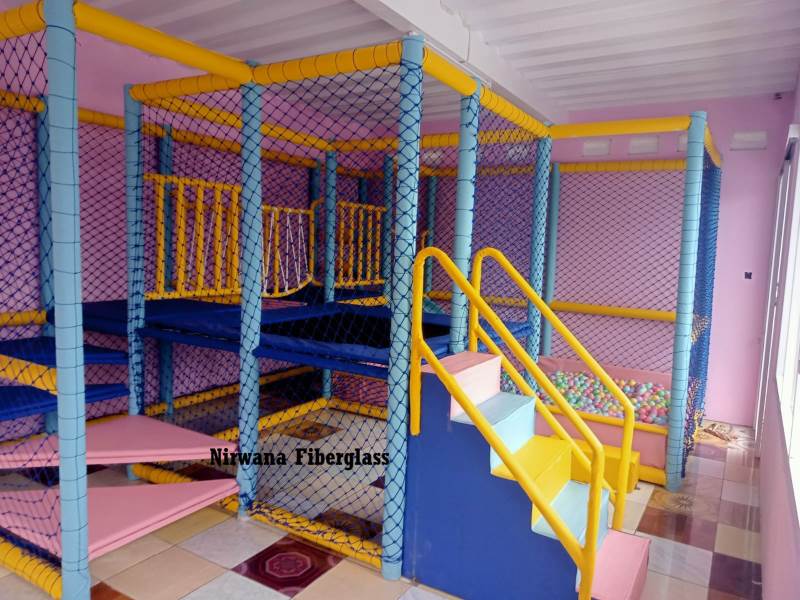
Playsourcehome – Creating a mini playground at home is easier than ever. Families everywhere are transforming small yards, balconies, or indoor corners into fun zones for their children. Not only does this encourage physical activity, but it also supports creativity and independent play. With the right equipment and layout, your home can offer excitement and safety in one neat package.
“Read More: Music and Life: Good for Mental Health and Emotional Control”
Before shopping, measure your available space. Whether it’s a backyard, terrace, or even a spare room, knowing the exact dimensions helps avoid overcrowding. For example, a compact climbing frame may fit perfectly in a 2×2 meter area, while larger swings need more clearance. In addition, think vertically—stacked features like mini rock walls or lofted forts save space while adding fun.
Not all playground sets are designed for every age. Therefore, always match equipment to your child’s developmental stage. For toddlers, soft foam blocks, small slides, and ball pits are ideal. Meanwhile, older children enjoy monkey bars, mini trampolines, or swing sets with a bit of height. You’ll keep playtime safe and exciting by tailoring your picks accordingly.
“Read About: Brain Boosters: Why Educational Toys Matter for Toddler’s”
When space is limited, versatility becomes essential. Fortunately, many modern play sets combine multiple features. A single frame might include a slide, a climbing net, and a small tunnel. In addition, some indoor sets double as learning stations or reading nooks. Investing in one quality piece that serves several functions is often smarter than buying many individual items.
Safety should be your top priority. Look for equipment with rounded edges, non-toxic materials, and anti-slip surfaces. Furthermore, always place soft mats or grass under climbing structures to reduce injury risks. Check that every bolt is secure and surfaces are smooth. Even in small home playgrounds, thoughtful design prevents accidents.
Children thrive when their senses are stimulated. In addition to physical challenges, add features that spark imagination. You can hang a chalkboard wall, install musical panels, or add textured tiles for sensory play. For example, a sandbox can become both a digging zone and a mini excavation site. These elements keep play dynamic and deeply engaging.
Durability and ease of maintenance go hand in hand. Choose weather-resistant materials if the playground is outdoors. Meanwhile, for indoor areas, go for wipe-clean surfaces and washable mats. In addition, avoid complex setups that require constant tightening or adjustments. A playground that stays safe and clean with minimal effort will be used more often.
Involving children in the setup process boosts their excitement. Even small tasks like choosing colors or deciding where to place the slide can give them a sense of ownership. Also, it’s a great opportunity to teach safety and responsibility. When kids feel invested, they tend to use the space more respectfully.
Finally, remember that kids grow fast. Therefore, choose modular pieces that can evolve with their interests and size. Some systems allow you to swap components or increase height over time. This flexibility means your mini playground stays relevant for years, not months.
Playsourcehome - A staggering 65% of children entering primary school today will ultimately work in job types that do not…
Playsourcehome - A recent study by the World Economic Forum indicates that 65% of children entering primary school today will…
Playsourcehome - A recent report by the World Economic Forum identifies complex problem-solving and critical thinking as the top skills…
Playsourcehome - The World Economic Forum predicts that 65% of children entering primary school today will ultimately work in completely…
Playsourcehome - While parents often view play as a simple break from academic routines, structured engagement through indoor team building…
Playsourcehome - A recent report by the Child Development Institute highlights a startling disparity. Children today spend an average of…