Playsourcehome – Toys aren’t just objects. They carry stories, dreams, and a spark of wonder. While most people only see the finished product on shelves, the magic actually begins much earlier. Toy making combines creativity, engineering, psychology, and emotion. Each piece tells a deeper story—one powered entirely by imagination. From first sketch to final package, the process relies on both vision and teamwork.
Every toy begins with a concept. First, designers translate ideas into sketches. They carefully choose lines, shapes, and features to trigger specific feelings. Should a toy feel brave, silly, or calming? Once they’ve answered that, the drawings come alive. Afterward, teams collaborate to refine each element. As a result, early concepts evolve into powerful emotional blueprints. Without this stage, toys would lack soul and meaning.
“Read More: Music Radio Community: Digital Information Sources and Interaction with Listeners”
After the design feels right, engineers jump in. They transform sketches into functioning objects. For instance, a flying toy might require new wiring or balance testing. Moreover, engineers select materials that are durable yet playful. They tweak movement, sound, and interaction until it all feels seamless. Throughout this phase, constant feedback helps improve each detail. Thanks to this work, children experience play that feels effortless and exciting.
Once designs and systems align, prototyping starts. Using 3D printing, resin, or hand molds, teams create the first version. However, it rarely comes out perfect. Some prototypes break too easily. Others feel too heavy. Nevertheless, each attempt teaches the team something new. Step by step, they refine shapes, weights, and mechanics. Eventually, one prototype captures both function and charm. This version becomes the model for mass production.
“Read About: Spectacular Playground from Around the Planet”
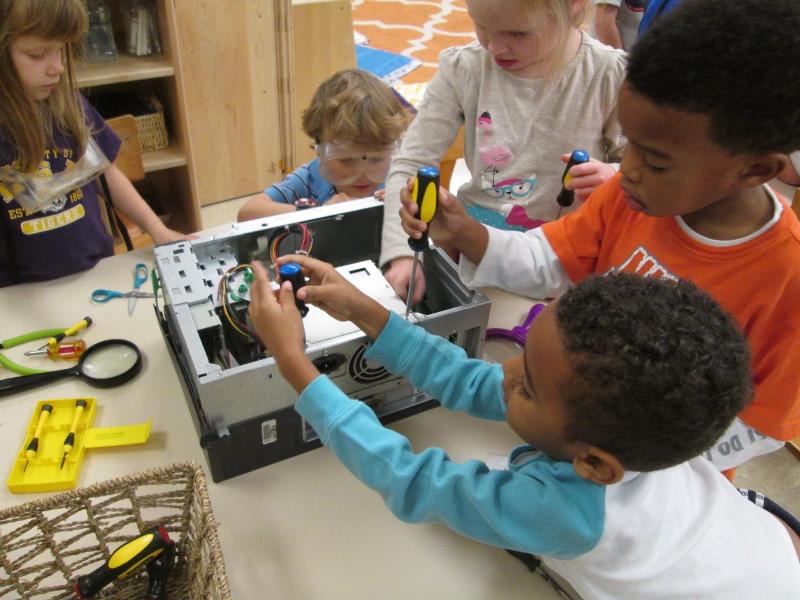
Next, toy makers introduce their creations to real children. During play tests, kids interact freely. They shake, drop, cuddle, and sometimes ignore the toy entirely. These raw moments offer valuable insight. If children lose interest too fast, teams adjust the design. Conversely, if kids stay engaged, the team gains confidence. Iteration continues until the toy sparks joy consistently. Only then does it move forward toward release.
Finally, when all parts align, factories begin mass production. Every toy gets molded, painted, and assembled under close supervision. Furthermore, quality control teams inspect products before packaging. Logistics teams coordinate shipping to reach stores worldwide. Even marketing materials reflect the original emotional vision. Ultimately, children unwrap toys filled with love, creativity, and unseen effort. While the magic may feel instant, it results from months—sometimes years—of thoughtful work.
Playsourcehome - a new study shows that children who engage in structured creative play improve communication, problem‑solving and leadership by…
Playsourcehome - A recent study shows that 68% of employees who regularly engage in educational games report measurable improvement in…
Playsourcehome - A 2023 UNICEF study found that 68% of children aged 5-10 show measurable improvement in communication after regular…
Playsourcehome - Over 79% of educators recognize play as essential for building collaboration and empathy in children, yet fewer than…
Playsourcehome - A staggering 65% of children entering primary school today will ultimately work in job types that do not…
Playsourcehome - A recent study by the World Economic Forum indicates that 65% of children entering primary school today will…