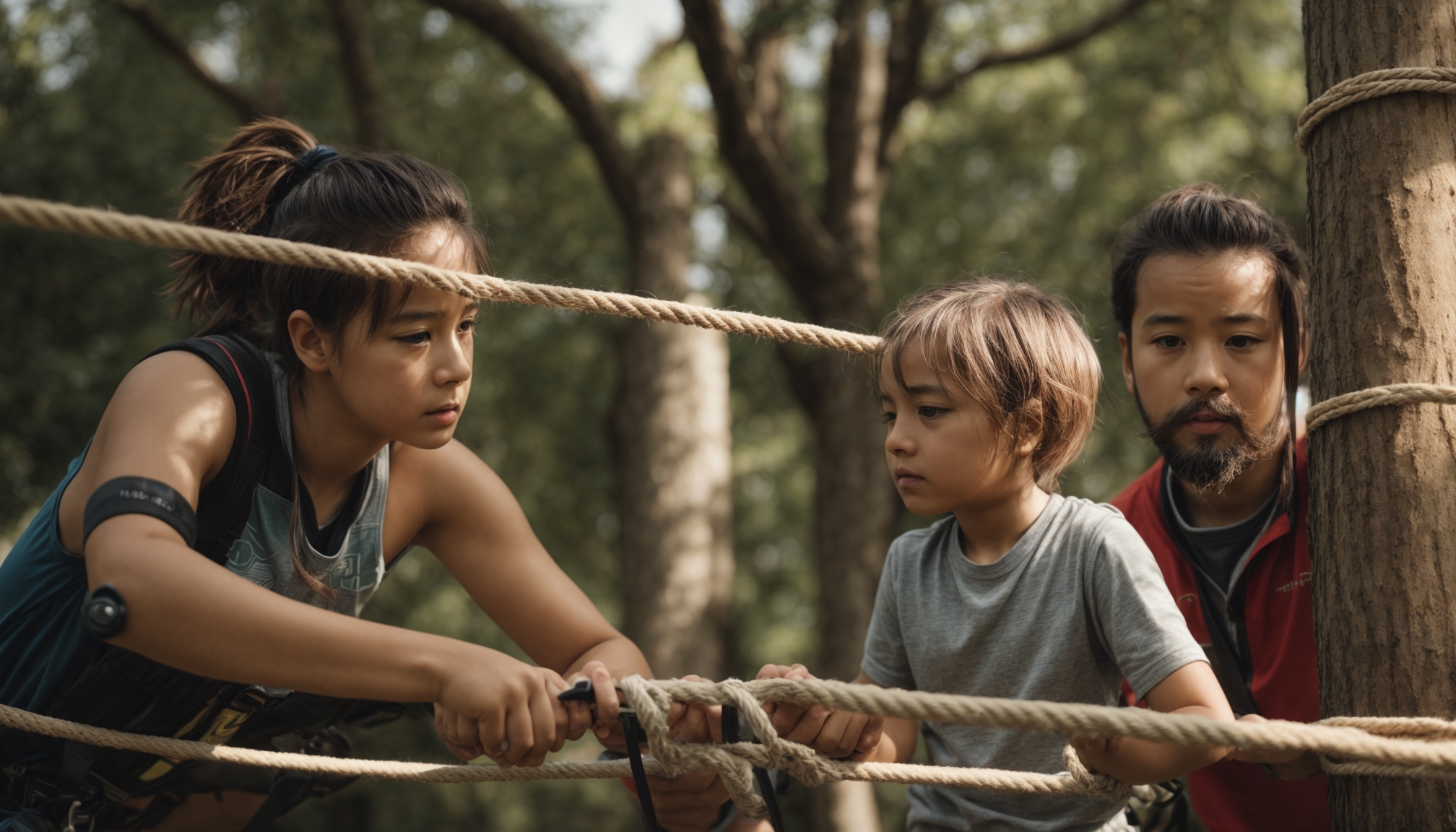
PlaySourceHome – Parents buying obstacle kits now focus on ninja backyard course safety, demanding better grip, stronger anchoring, and clearer instructions for kids.
Ninja backyard course safety starts long before children touch the first obstacle. It begins when adults compare kits, read labels, and check weight ratings. Many kits look similar, yet the build quality can be very different. Small design choices often decide whether a fall becomes a harmless slip or a hospital visit.
Manufacturers promote fun, strength, and confidence for children. However, they sometimes hide critical limits in tiny text. In addition, marketing photos rarely show real spacing, fall zones, or the ground surface below the line. Because of this, buyers must treat safety as a separate project, not just a feature on the box.
Good grip, secure anchoring, and smart layout all support ninja backyard course safety. When these three elements work together, children can explore limits in a controlled way. When any of them fails, risk increases sharply, even for strong and experienced users.
Grip quality sits at the center of ninja backyard course safety because most obstacles rely on hands. Many kits use plastic, rubber, or wood for bars, rings, or nunchucks. Each material feels different in sweat, rain, or cold conditions. Therefore, families should test grip before full-speed play.
Smooth plastic grips become slick very quickly, especially when children swing repeatedly. Rubberized coatings add friction, yet low‑grade rubber can peel after sun exposure. Wooden grips provide a natural texture, but rough edges or splinters can cut skin. Because of that, look closely at seams, mold lines, and surface finish.
Another issue involves grip diameter and spacing. Thick grips tire small hands faster, which can surprise kids mid‑swing. On the other hand, very thin grips strain fingers and joints. Ideally, grips match the hand size of the youngest regular user. Ninja backyard course safety improves when children can fully wrap their hands comfortably.
Anchoring hardware silently supports ninja backyard course safety by keeping lines, ladders, and swings stable. Many kits use ratchet straps around trees. The quality of the ratchet, the webbing strength, and the protective pads all matter. Weak ratchets can slip under repeated load, while cheap webbing frays quickly.
Always check the working load limit printed on the strap tag. As a result, you can compare it with the heaviest user and the type of activity. Dynamic swinging generates forces much higher than simple body weight. Because of that, choose ratings with a wide safety margin, not just a small buffer.
Tree protection pads serve two purposes. They guard bark from damage and also prevent straps from cutting into the trunk during use. In addition, they spread pressure over a wider area, which reduces movement. Solid pads, when paired with correct tensioning, raise ninja backyard course safety and help preserve healthy trees.
Many serious incidents occur not at the grip but at the ground. Ninja backyard course safety depends heavily on fall planning. Families should decide how high children can play and what happens if hands slip. Always assume at least one full fall per session, then design the layout around that assumption.
Spacing between obstacles affects swing paths and collision risk. If rings or bars hang too close, children may hit each other during group play. In addition, bodies can swing sideways into tree trunks or posts. Leave generous lateral space and keep solid objects outside the natural arc of a swinging child.
Ground surface matters as much as the course itself. Grass alone compresses unevenly, and hidden roots or rocks increase injury risk. Therefore, many safety‑conscious families place wood chips, rubber mulch, or gym mats under the main line. When done well, these choices upgrade ninja backyard course safety more than any single accessory.
Every kit lists a maximum weight, but ninja backyard course safety needs a more practical view. Children often swing, bounce, and twist together on the same line. These actions create combined loads that approach the hardware limit quickly. Because of that, strict rules about one user per obstacle are wise.
Age ratings can also mislead. Some kits advertise wide ranges from young children to adults. Nevertheless, the grip style, handle spacing, and obstacle difficulty may not match that claim. Families should treat age labels as loose guidance and instead watch how each child handles the first few attempts.
Read More: Expert guidance for reducing backyard and playground injury risks
Regular inspections support ninja backyard course safety far more than one‑time checks. Look weekly for frayed ropes, rusted carabiners, cracked plastic, or soft wood. Tighten ratchets as needed and retire any part that shows structural damage. Replacement costs less than a serious injury.
Even with perfect hardware, ninja backyard course safety still depends on human choices. Active supervision gives adults a chance to interrupt risky behavior early. Standing close, making eye contact, and giving short, clear instructions often prevents rough play from escalating.
House rules should cover height limits, turn‑taking, and wet conditions. For example, children might agree not to use the line after rain unless an adult rechecks grip and ground. In addition, setting a maximum number of people in the area reduces chaotic movement around the course.
Progressive challenges keep excitement high without pushing children beyond control. Start with lower obstacles and shorter swings, then move to harder elements over time. This staged approach strengthens muscles and coordination while maintaining ninja backyard course safety. Successive wins also build confidence in a healthier way than sudden high‑risk leaps.
Weather slowly erodes ninja backyard course safety if kits stay outside all year. Sunlight breaks down plastic and webbing, while rain attacks metal parts. Because of that, a seasonal schedule helps preserve strength. Many families remove lines during winter or long wet seasons.
Clean grips with mild soap and water to remove sweat, dirt, and chalk. After that, fully dry them before storage to prevent mold. Inspect knots, buckles, and stitching while everything is off the line. This close look often reveals early warning signs that were invisible from the ground.
Store components in a dry, cool space away from sharp tools or heavy objects. Numbering straps and obstacles can make setup faster next season. Thoughtful routines like these extend product life and sustain ninja backyard course safety over multiple years of play.
When you compare products, place ninja backyard course safety above flashy obstacle counts. Solid grip texture, honest weight ratings, and dependable anchoring matter more than extra features. Examine reviews that mention long‑term use, not only first impressions out of the box.
Ask whether the kit allows flexible height, spacing, and ground preparation. In addition, check if the brand provides clear diagrams and real‑world photos, not just edited images. Brands that invest in detailed guidance often care more about user safety.
For easy reference later, you can bookmark this guide on ninja backyard course safety and share it with other families setting up new kits. When communities trade honest experiences about failures and fixes, everyone benefits. With careful planning and ongoing attention, ninja backyard course safety becomes a shared standard, not just a promise on the packaging.