PlaySourceHome – Parents searching for meaningful gifts that combine entertainment with education now have more options than ever before. The market for coding toys for kids has expanded dramatically in 2025, offering innovative products designed to introduce programming concepts to children as young as four years old. These toys bridge the gap between play and learning, helping young minds develop critical thinking skills while having genuine fun.
Technology skills have become essential in today’s digital world. Children who learn programming basics early often develop stronger problem-solving abilities and logical reasoning. Educational experts suggest that introducing computational thinking before age ten creates lasting cognitive benefits. However, traditional coding lessons can feel intimidating or boring for young learners. This challenge sparked the creation of playful alternatives that disguise education as entertainment.
Modern coding toys for kids use tangible interactions rather than keyboard typing. Children manipulate physical blocks, guide robots, or solve puzzles that teach sequencing and algorithms. These hands-on experiences make abstract concepts concrete and accessible. As a result, children grasp programming logic without feeling overwhelmed by complex syntax or technical jargon.
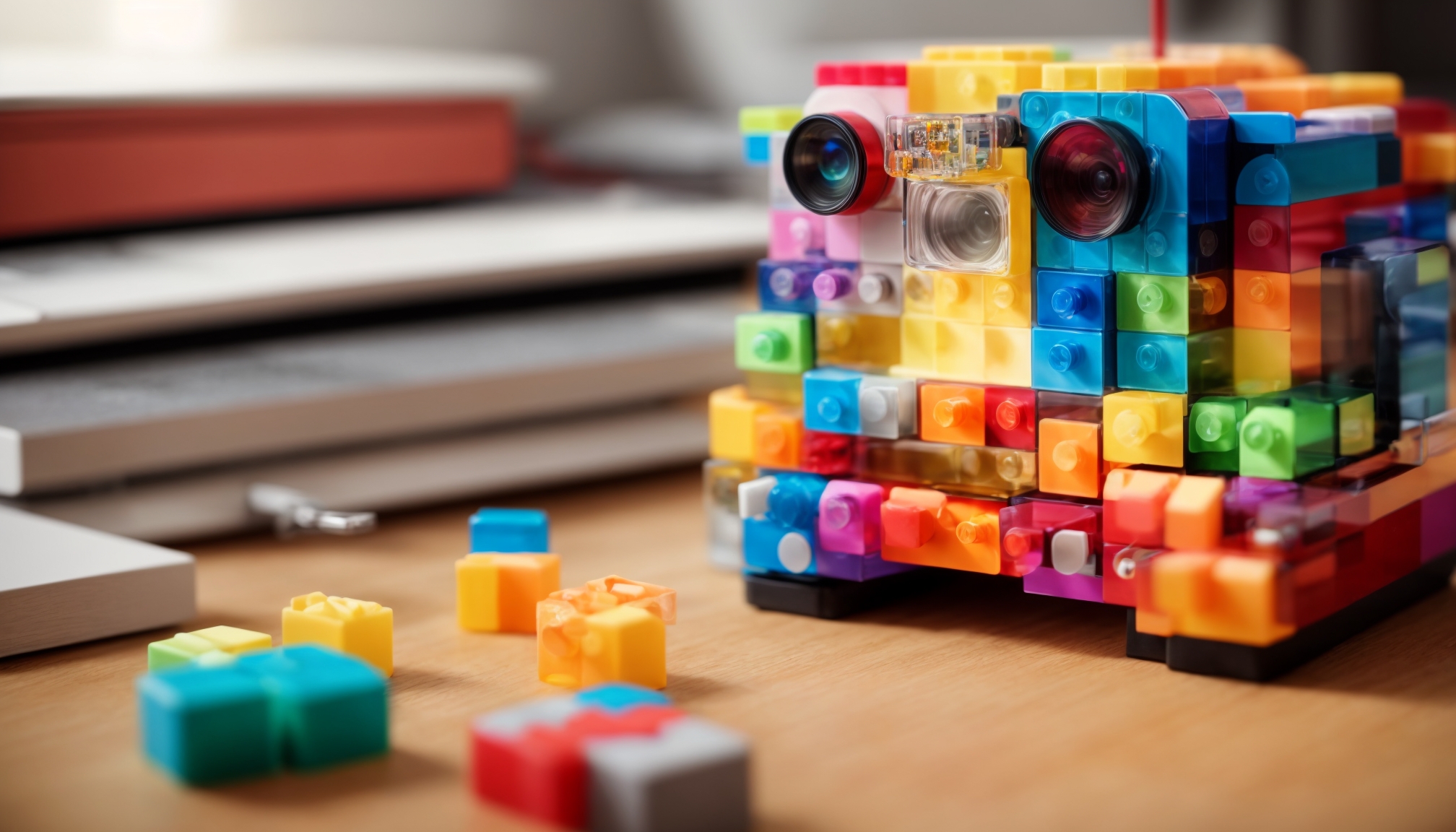
Several standout products have captured attention from educators and parents alike this year. Screen-free coding robots allow preschoolers to arrange command cards that control movement sequences. Meanwhile, older children enjoy building their own programmable robots with snap-together components and companion apps.
Puzzle-based coding games represent another popular category. These board games challenge players to write algorithms using physical pieces, teaching loops and conditional statements through gameplay. In addition, coding toys for kids now include augmented reality features that bring digital characters into the real world.
Music-based programming kits have emerged as creative alternatives. Children compose songs by arranging code blocks, learning sequencing while creating melodies. This approach appeals particularly to artistic youngsters who might otherwise avoid technology-focused activities.
Read More: Latest Trends in Educational Technology Toys and Games
Manufacturers have carefully designed products for specific age groups. Toddlers between ages three and five benefit from simple cause-and-effect toys featuring large buttons and immediate visual feedback. These introductory products establish foundational understanding without requiring reading skills.
Children aged six to eight progress to more sophisticated coding toys for kids that introduce basic programming vocabulary. These products often feature friendly robot companions that respond to simple command sequences. Consequently, children learn iteration and debugging through trial and error exploration.
Pre-teens and teenagers engage with advanced kits incorporating actual programming languages. Some products teach Python or JavaScript through game creation projects. These sophisticated options prepare young learners for formal computer science education while maintaining engaging gameplay elements.
Choosing appropriate coding toys for kids requires considering several factors beyond age recommendations. Parents should evaluate their child’s interests, learning style, and previous technology exposure. A child fascinated by construction might prefer robot-building kits, while a storyteller might enjoy narrative-based coding games.
Budget considerations also influence purchasing decisions. Entry-level products start around twenty dollars, while comprehensive robotics kits can exceed two hundred dollars. Nevertheless, many affordable options deliver excellent educational value. Libraries and schools increasingly stock these toys, allowing families to try before purchasing.
Durability matters significantly for younger users. Products designed for preschoolers typically feature robust construction that withstands enthusiastic handling. Reading online reviews from other parents helps identify which products survive real-world testing in family environments.
The benefits of coding toys for kids extend beyond programming knowledge. Children develop persistence when debugging sequences that don’t work correctly. They practice spatial reasoning while planning robot movements across play mats. Furthermore, many products encourage collaborative problem-solving when siblings or friends play together.
Teachers report that students with early coding exposure demonstrate improved mathematical thinking. The logical structures underlying programming parallel those found in arithmetic and geometry. This connection helps children see mathematics as a creative tool rather than abstract memorization. Parents investing in quality coding toys for kids today support multiple academic areas simultaneously, preparing children for future success in an increasingly technology-driven world.